
Sector guide
School cleaning services: a practical guide for schools and nurseries
Every head, bursar and site manager knows the pattern: one child comes in poorly, and within a fortnight half the class and a few staff are off. Good school cleaning services keep the building presentable — but stopping illness spreading takes a few extra, deliberate steps. This guide covers what to expect from cleaning, the simple changes that make the biggest difference, and where an in-house disinfection machine fits.
In short
Effective school cleaning combines daily cleaning of high-touch surfaces, proper handwashing with suitable products, and a planned disinfection step for classrooms, toilets and shared areas — especially during illness outbreaks. A leased Sanondaf fogger lets trained school staff treat an empty classroom after hours, at no extra lease cost however many rooms are done, alongside your existing cleaning contract.
7 min read ·
What should school cleaning services cover?
A typical contract covers floors, bins, toilets, washbasins and general surfaces. That is essential, but it is mostly about appearance and basic hygiene. The areas that drive illness are the ones touched by dozens of hands an hour.
- Door handles, push plates and banisters
- Desks, chair backs, shared tablets and keyboards
- Toilet flush handles, taps and hand-dryer buttons
- Dining tables, serving counters and water fountains
- Nursery toys, soft play and changing areas
Why do bugs keep tearing through classrooms?
Children share space, equipment and hands at close range all day. Norovirus, flu and common colds survive on surfaces and move quickly from hands to mouths. Cleaning removes dirt, but a routine wipe rarely reaches every surface consistently — which is why outbreaks can keep recycling through the same rooms.
Is your handwash anti-viral, or only anti-bacterial?
This is the simplest check a school can make. Many products are labelled anti-bacterial but carry no claim against viruses. Look for a virucidal claim tested to a recognised European standard such as EN 14476, and remember that thorough washing with soap and water for around 20 seconds physically removes germs from hands.
In our own visits to schools, we have found many using anti-bacterial handwash with no virucidal rating. That is an internal observation, not a controlled study, and it does not prove any product caused an outbreak — but it is a quick, low-cost thing to check.
Where does a fogging machine fit alongside cleaners?
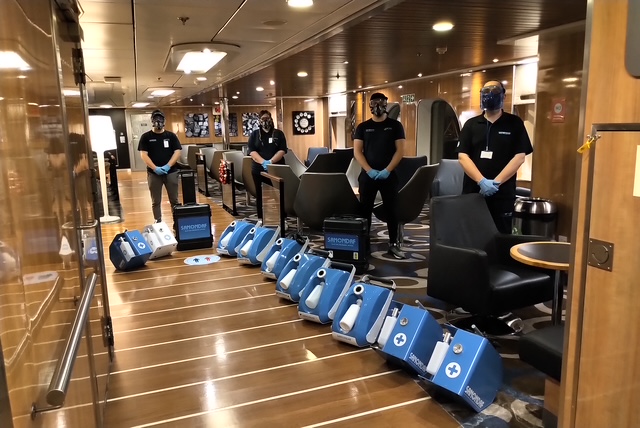
The cleaners keep the building clean; a fogger adds consistent disinfection of the whole room. With a leased machine, trained staff — often the site team — can treat an empty classroom, toilet block or nursery room after the cleaners finish, then sign the door and leave it for the dwell time.
When a sickness bug breaks out, there is no need to find a contractor, raise a purchase order or wait days for a visit. The machine is already in the building. Because the lease cost does not change however many rooms you treat, you can do the whole year group, not just the worst room.
What does this mean for parents and Ofsted-ready paperwork?
Dated treatment certificates in reception, dining halls and classrooms show parents and visitors a planned programme rather than a reaction. Treatment records also give you a clear trail of what was done and when, useful for governors and your own infection control policy.
Frequently asked
- Does a fogging machine replace our cleaning contractor?
- No. It works alongside your cleaners. They clean; trained staff then disinfect the empty room with the fogger.
- Can we treat rooms while children are in school?
- Only unoccupied rooms are treated. Most schools treat after the school day or during holidays, and follow the dwell time before re-entry.
- How many classrooms can one machine do?
- Around five rooms per hour per machine. Extra rooms only use extra solution, with no change to the lease.
- What should we look for in handwash?
- A virucidal claim tested to a recognised standard such as EN 14476, plus good handwashing technique for around 20 seconds.
Sources and further reading
Commercial terms are confirmed at survey. Product efficacy depends on the validated application and conditions.