
Housing & care
A home goes into outbreak tomorrow and admissions are paused
The GP confirms it and the home goes into outbreak. Communal lounges, several bedrooms and the shared bathrooms are all involved. Admissions are paused, which stops income immediately. Families want to know what is being done, and whoever inspects afterwards will want to see what was done, and when.
In short
A unit in the building lets housekeeping treat rooms as they are vacated, every day of the outbreak, with each cycle dated and recorded — instead of one contractor visit at the end and nothing in between.
7 min read ·
Outbreaks are won on repetition, not one visit
The pattern in most homes is a single deep clean booked for whenever the provider can attend, usually near the end of the outbreak. That is one intervention against something that spreads daily.
With equipment in the building, treatment happens every day: bedrooms as they are vacated, bathrooms after use, the lounge overnight. That repetition is what actually shortens an outbreak, and it is also what an inspector recognises as control.
Damp, mould and the rest of the year
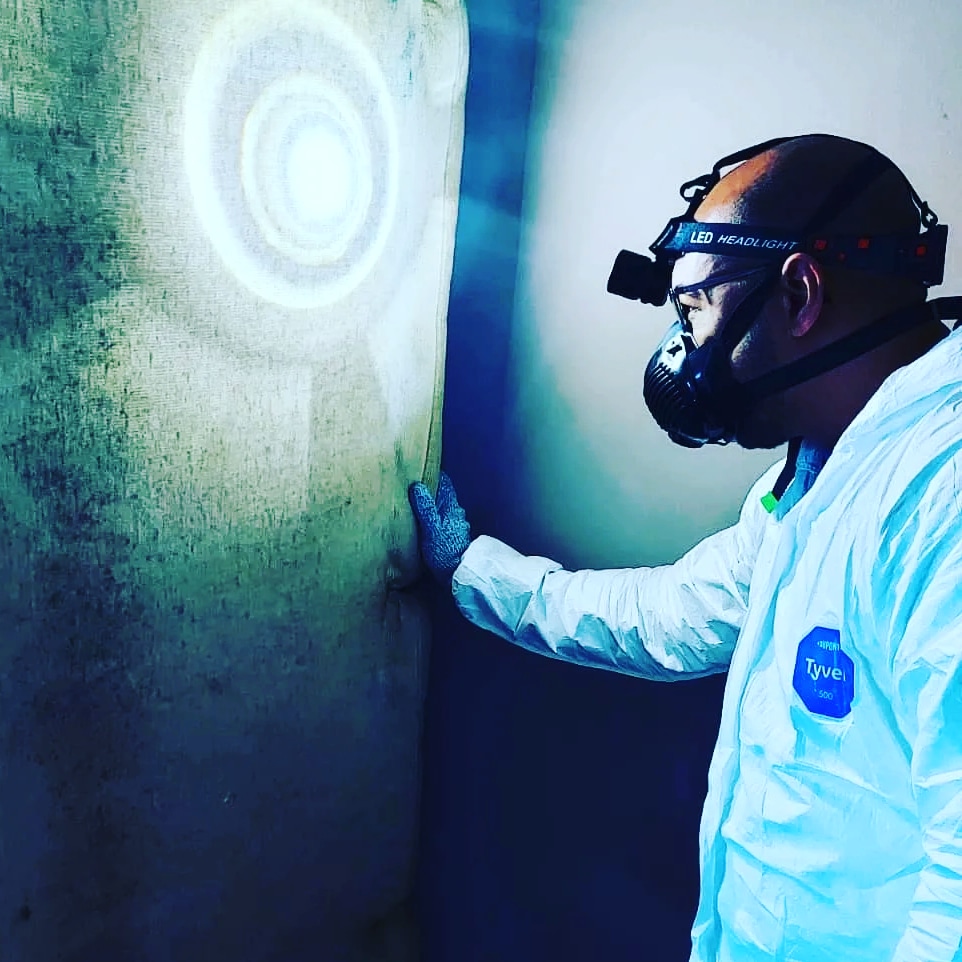
Housing and care providers rarely have only one problem. The same equipment is used for treatment following mould remediation and damp works, which matters for social landlords working to Awaab's Law timescales.
Because treatment is preventative and cheap per room, it fits the ordinary calendar as well as the crisis one: void properties before letting, communal areas monthly, bathrooms weekly.
- Bedrooms, lounges, dining rooms, bathrooms, sluices and laundries
- Void properties treated before re-letting, with a certificate for the file
- Treatment after mould remediation as part of the remedial record
- Dated certificates for families, commissioners and inspection evidence
The staffing reality
No home has spare staff. The machine is dropped into a room already being cleaned, with a do-not-enter card showing the safe entry time, and the housekeeper carries on with the next room. It adds seconds of handling, not a role.
Operator training is included in the lease, and a nominated person can be trained to induct new starters — which matters in a sector with real turnover.
Frequently asked
- Can residents stay in the building during treatment?
- Yes. Only the room being treated must be unoccupied for the cycle and its calculated re-entry period; the rest of the home continues as normal.
- How does this help with inspection evidence?
- Each treatment is logged and can be issued as a dated disinfection certificate showing the space, the date and the operator.
- Is it suitable after mould remediation?
- Yes. Whole-volume treatment is commonly used following remedial works as part of the documented remediation record.
Sources: material published by Sanondaf UK at sanondaf.co.uk (news, research and case studies) and the technical and commercial documentation held by the Shropshire & West Midlands office. Figures are indicative and confirmed at survey. Efficacy is stated as up to 99.9999% reduction.